Scrum: Three Roles?
Scrum’s roles differ significantly from traditional software methodologies. Clearly defined roles and expectations help individuals perform their tasks effectively. In Scrum, there are three roles: Product Owner, Development Team, and Scrum Master. These are known as the Scrum Team.

Scrum Master: Role and Responsibilities
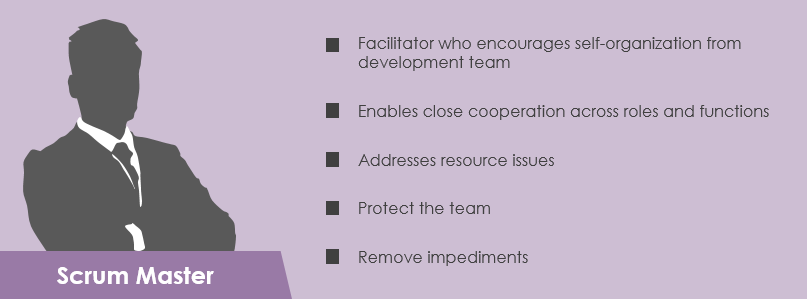
The Scrum Master helps the product team learn and apply Scrum to deliver business value. The Scrum Master works diligently to help the team, the Product Owner, and the organization succeed. The Scrum Master is not a manager or project manager, nor a team leader or team representative. Instead, the Scrum Master serves the team; he or she helps remove impediments, protects the team from external distractions, and assists the team in adopting Agile practices. He or she educates, coaches, and guides the Product Owner, the team, and other stakeholders in effectively using Scrum.
The Scrum Master ensures that everyone follows the practices defined in Scrum.
- The Scrum Master is a servant-leader who encourages and empowers the development team to self-organize.
- The Scrum Master collaborates closely across all roles and functions, resolving resource issues and non-compliance with Scrum practices.
- The Scrum Master protects the team from external and internal distractions.
- The Scrum Master removes impediments so the team can focus on their work and follow Scrum practices.
- The Scrum Master is typically not a manager or supervisor, but an influential leader and coach who does not directly command or control.
Product Owner: Role and Responsibilities
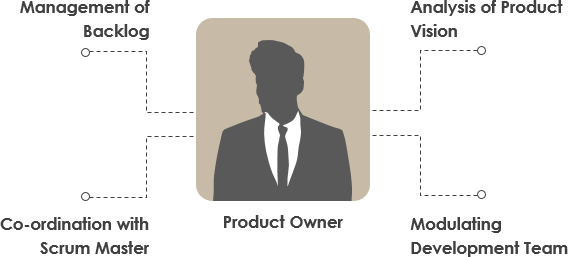
The Product Owner is responsible for maximizing the return on investment (ROI) by identifying product features, converting them into a prioritized backlog, determining which items belong at the top of the next Sprint list, and continuously re-prioritizing and optimizing the backlog. Assuming the product is a commercial product, the Product Owner is accountable for the product’s profitability and loss. An agile Product Owner acts as the customer’s representative and must advocate on their behalf.
- The Product Owner owns the Product Backlog and writes user stories and acceptance criteria.
- The Product Owner is responsible for prioritizing the Product Backlog and determining release dates and content.
- The Product Owner accepts or rejects items from the Product Backlog.
- If the Product Owner deems the Sprint Goal unnecessary, he or she has the authority to cancel the Sprint.
- The Product Owner is responsible for the product’s return on investment (ROI).
Development Team: Role and Responsibilities
The Development Team is a group of individuals who collaborate to develop and deliver the requested and committed product increment. It consists of cross-functional members capable of achieving the Sprint goal. This may include software engineers, architects, programmers, analysts, system administrators, QA experts, testers, UI designers, and more.
- The Development Team builds the product as directed by the Product Owner—for example, an application or website. The Scrum Team is “cross-functional.”
- The Development Team includes all the necessary expertise required to deliver a potentially shippable product at the end of each Sprint.
- The Development Team is self-organizing, with high autonomy and accountability.
- The Development Team decides how many items to commit to in a Sprint and how best to achieve them.
- The Development Team is a cross-functional, small, and self-organizing group with shared responsibility for developing, testing, and releasing the product increment.
- Since decisions are made collectively, the Development Team does not appoint a team leader.

 English
 Arabic
 Chinese (Simplified)
 Dutch
Dutch French
 German
 Italian
 Japanese
 Korean
 Portuguese
 Russian
 Spanish