Introduction In the fast-paced world of software development, business analysis, and system architecture, the gap between a conceptual idea and
Continue reading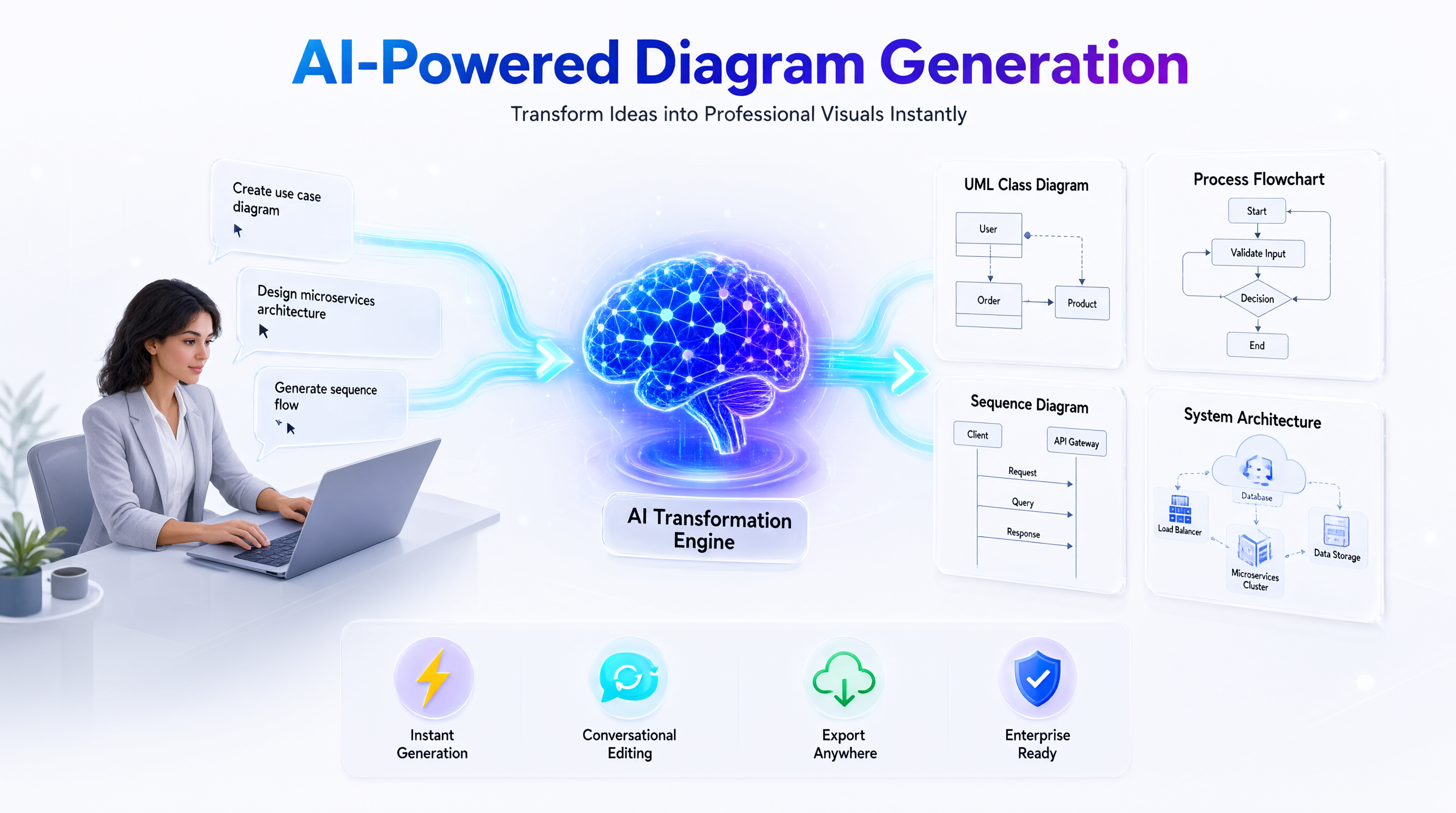
EA, Dev Ops, Scrum, Agile and More
Introduction In the fast-paced world of software development, business analysis, and system architecture, the gap between a conceptual idea and
Continue reading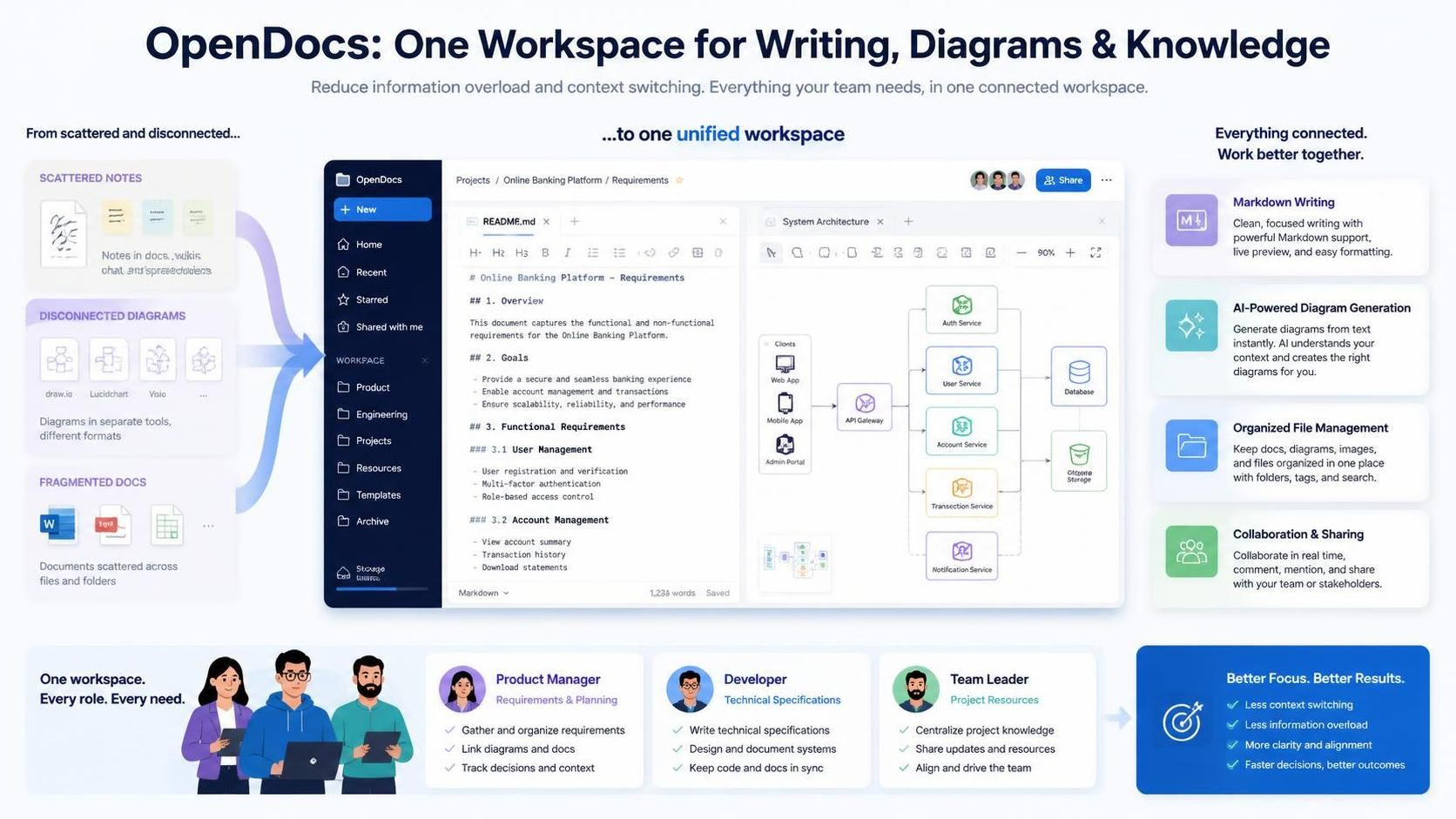
Introduction In today’s fast-paced digital workspace, information overload is a common challenge. Teams struggle with scattered notes, disconnected diagrams, and
Continue reading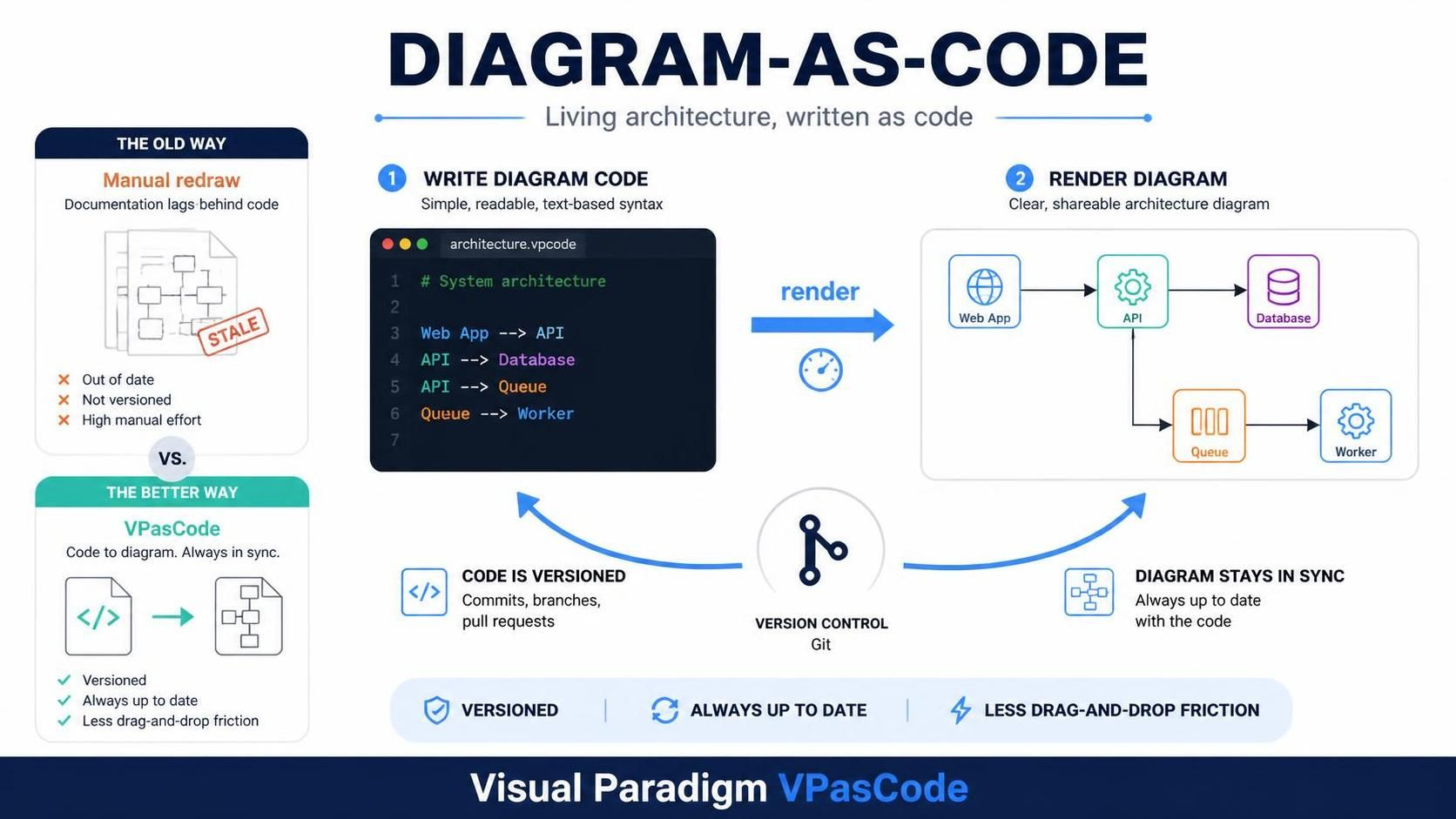
Introduction In the fast-paced world of modern software development, documentation often struggles to keep up with code. Traditional visual modeling
Continue readingIntroduction In the modern digital landscape, the gap between business strategy and technical execution is often where projects stall. Product
Continue reading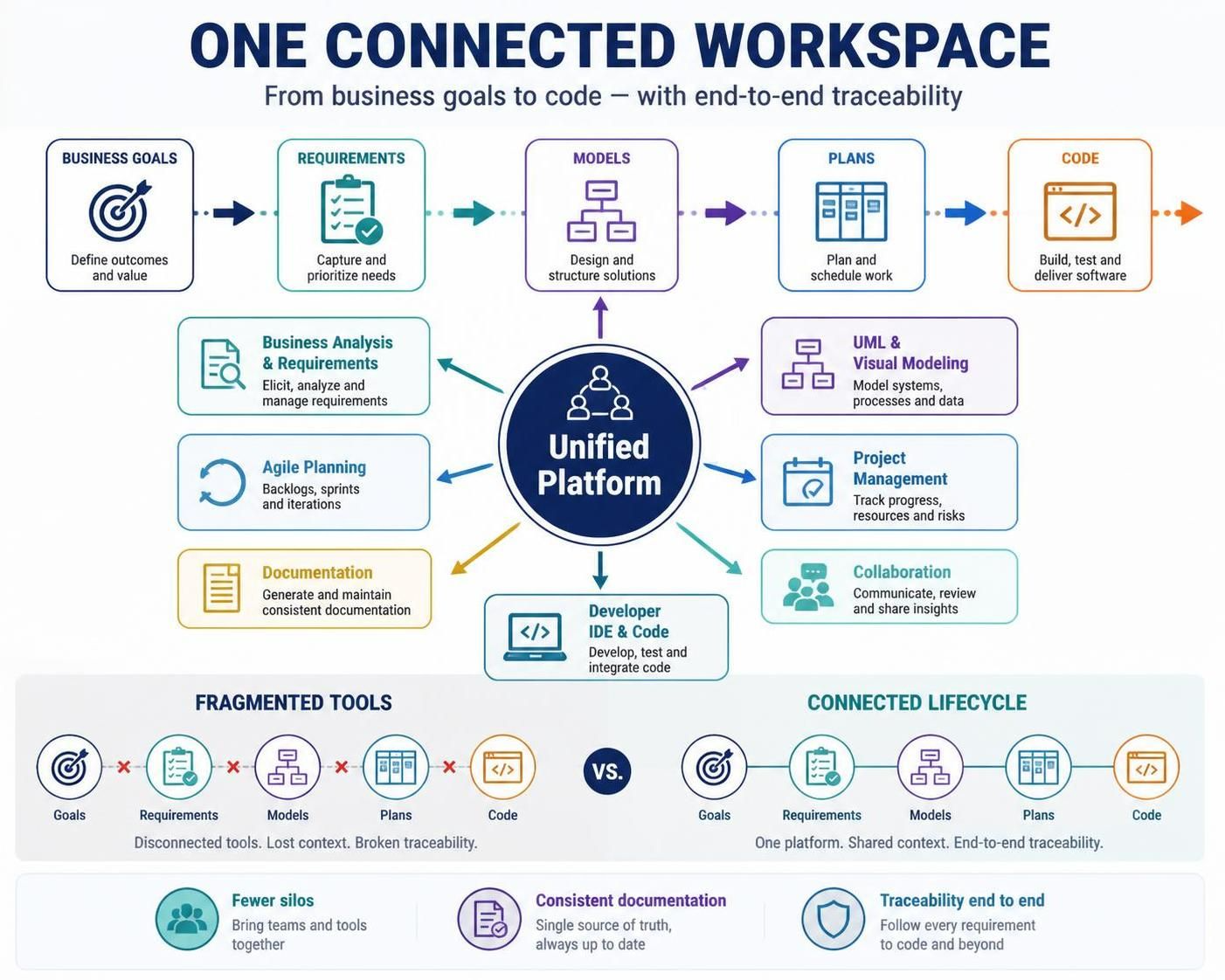
Introduction In the modern landscape of product development and enterprise architecture, teams often struggle with fragmented tools. Business analysts use
Continue reading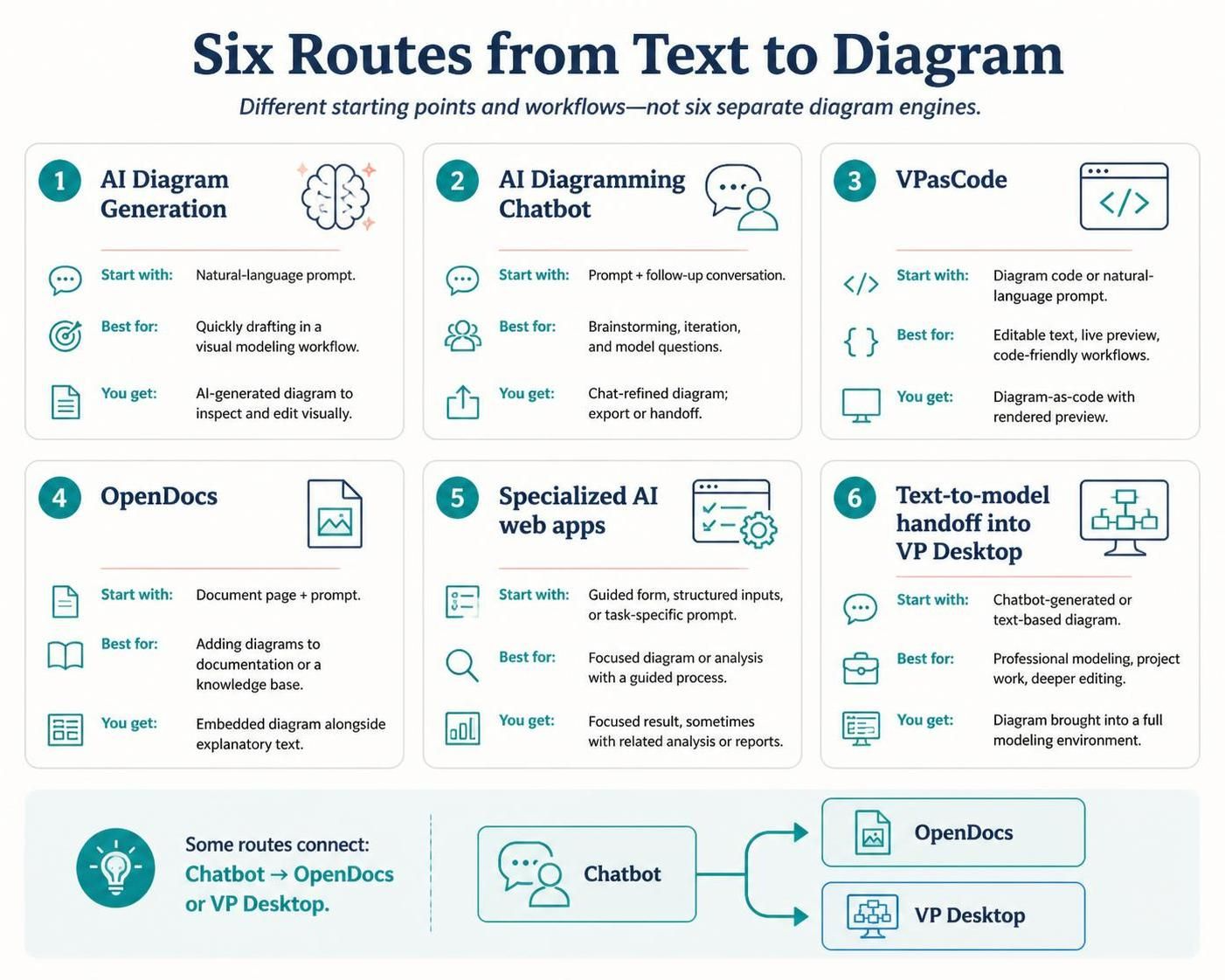
Introduction In modern software architecture and business process modeling, the gap between an idea and its visual representation is often
Continue reading
There isn’t just one text-to-diagram tool in the Visual Paradigm ecosystem. You can get from text to a diagram through
Continue reading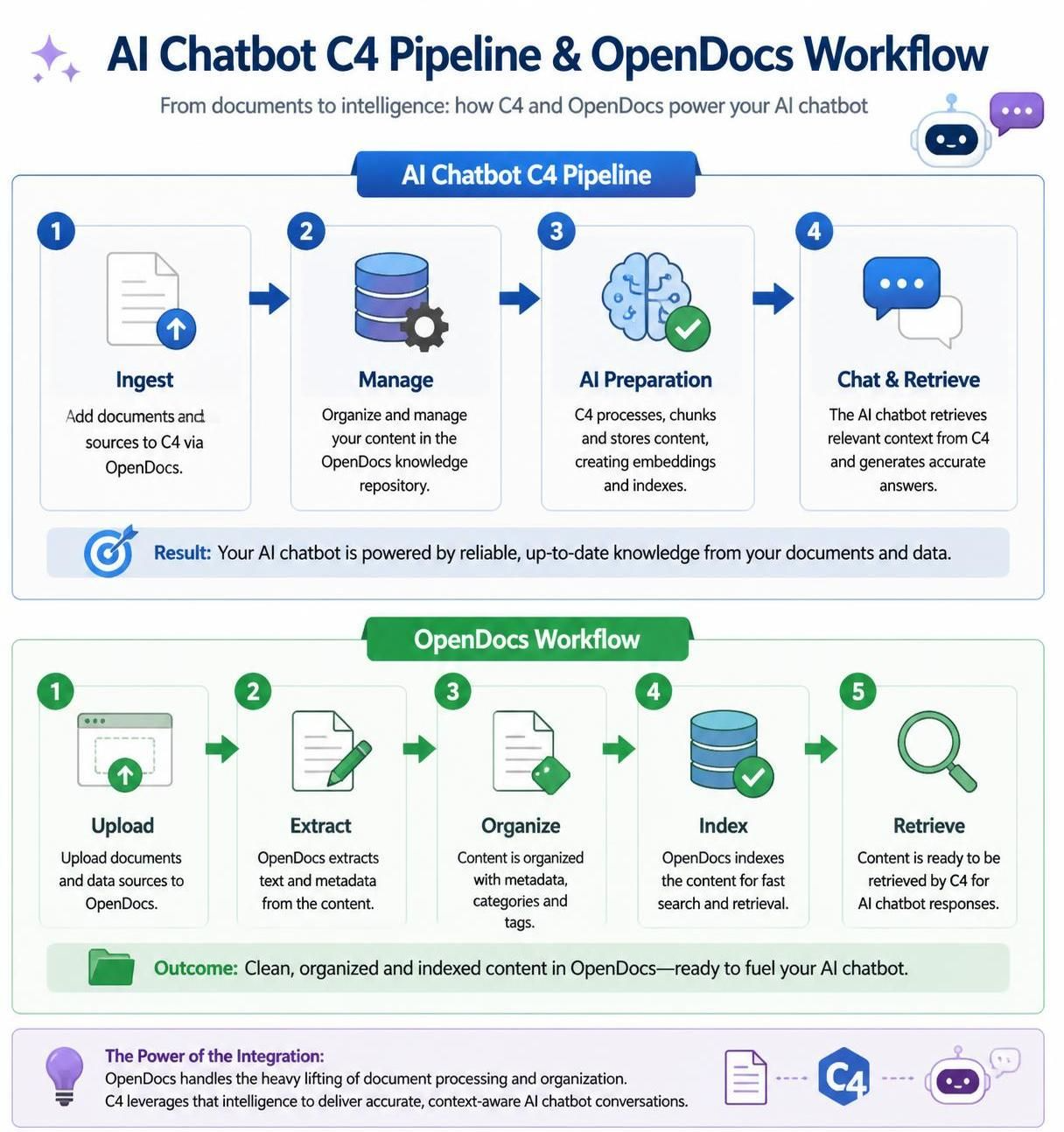
The workflow described in the article connects early-stage diagramming, structured architecture modeling, quality assurance, and documentation. Its central idea is
Continue readingThe Visual Paradigm Unified Platform is a centralized workspace for connecting Visual Paradigm Desktop modeling projects with online tools for
Continue readingA unified project platform connects business goals, requirements, models, design, implementation, testing, and documentation in one coherent workspace. The
Continue reading
 English
 Arabic
 Chinese (Simplified)
 Dutch
Dutch French
 German
 Italian
 Japanese
 Korean
 Portuguese
 Russian
 Spanish