


Scrum agile development has three main roles:

The Scrum Master is one of the most important roles. Today we will discuss how to become a qualified Scrum Master.
What is a Scrum Master?
The Scrum Master is often mistaken for the project manager in many development projects. At the same time, I frequently see people insisting that the Scrum Master and project manager are completely different roles. I disagree. In my view, although the Scrum Master is not a traditional project manager, they still perform many of the same functions. So what exactly are the responsibilities of a Scrum Master? What can we do to become a qualified Scrum Master?
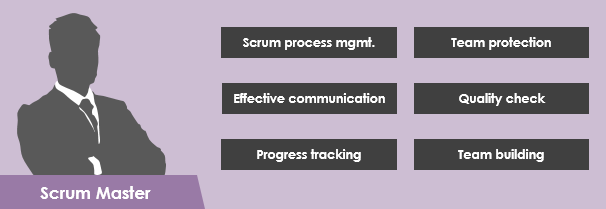
Here are six key aspects for your reference:
1. Manage the Scrum Process
This is the core responsibility of the Scrum Master and what primarily distinguishes them from a traditional project manager: the Scrum Master must maintain the process throughout each Sprint and ensure the team adheres to Scrum values and best practices so the project can be successfully implemented and completed.
First, the Scrum Master facilitates every meeting during the Sprint, including:
Additionally, the Scrum Master helps the Product Owner build and refine the Product Backlog and Sprint Backlog, and prioritizes stories through ongoing backlog refinement sessions.
Finally, the Scrum Master helps the Scrum Team remove impediments encountered during development. The Scrum Master should maintain an Impediment Log to record issues and blockers faced by the team during development. This log is managed by the Scrum Master themselves, and every item on the list should be addressed and resolved in a timely manner.
2. Protect the Team
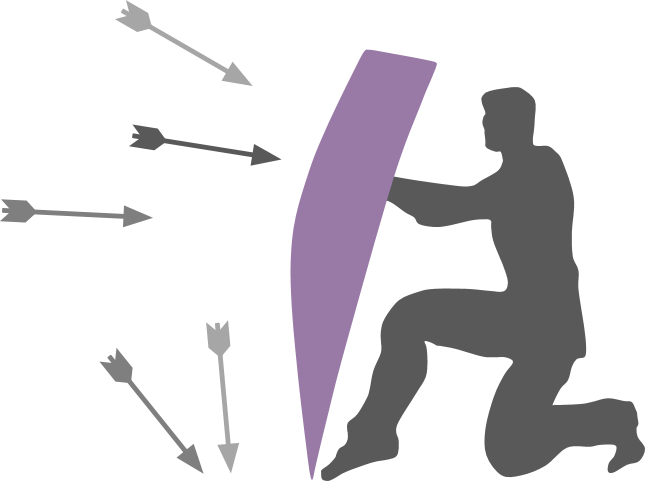
The Scrum Master should do their utmost to protect the team from external interference — especially from the Product Owner. So how does the Scrum Master protect the team? And in what situations does the team need protection?
- Avoid Overcommitment
At the beginning of each Sprint, the Scrum Master should help the team commit to a realistic amount of work based on their capacity and past performance. Never blindly or optimistically promise too much to the Product Owner. Some Scrum Masters may overestimate team capacity or try to impress management by overloading the team, leading to constant overtime just to meet Sprint goals. This severely reduces team efficiency. At the same time, rushing to deliver under tight deadlines often results in very low product quality, creating a vicious cycle. - Balanced Workload
A good Scrum Master knows how to “negotiate” with the Product Owner to secure a reasonable workload. This “negotiation” is not about passively doing less work or deliberately reducing team load — it’s about arranging a balanced amount of work that enables the team to achieve maximum efficiency without sacrificing motivation. This creates a virtuous cycle. - Shield from External Interference
We all know that changing requirements is a nightmare for developers. One major reason Agile emerged was to solve this problem and help developers embrace change. However, you will often encounter Product Owners bypassing the Scrum Master and going directly to the team with new orders. At such times, the Scrum Master must protect the team to avoid disrupting the work currently in progress. Changes are good, but they should not interfere with the team during an active Sprint. Changes can be raised and negotiated during Daily Scrum or Sprint Planning meetings. I believe the Scrum Master should always adopt the mindset of being the team’s “leg defender” at all times.
3. Effective Communication
Very often, the Scrum Master acts as a bridge between stakeholders (management, Product Owner) and the Development Team. It’s easy to feel like the Scrum Master is trying to survive in the cracks and avoid upsetting anyone. That’s why the art of communication is self-evident in importance. How to convince the Product Owner, satisfy management, and keep the Development Team happy — this is a learning journey to master this skill.

Here are a few points for reference:
- Communicating with Management:
Regularly and promptly inform stakeholders of project status and progress. Don’t wait for them to ask. Send concise status updates via email or dashboards — focus on progress, avoid excessive detail. If problems arise, report them early so they can be taken seriously and resolved in time. Waiting until the deadline to deliver bad news leaves management no choice but to micromanage your team. - Coordinating with the Team:
Lead by example with the right attitude. Fully understand each team member’s capacity to prevent blind overcommitment. Through Daily Scrum meetings, ensure everyone on the team is clearly aware of the latest progress and status. When issues arise, focus on solving the problem — not blaming individuals.
4. Ensure Quality
Quality determines the fate of the product. So how do you ensure quality? Here are some practical experiences from agile practice:
- Do not overemphasize velocity — focus instead on a sustainable, reasonable development pace. This ensures consistent product quality. The Scrum process should be stably completed in every Sprint, helping the team build good habits and eventually achieve a healthy development rhythm.
- Establish and enforce coding standards and conduct regular code reviews. Clean, consistent code greatly improves team development and communication efficiency. Good code speaks for itself — code reviews can be done in pairs, and code should only be committed after it passes review. Use pull requests for code review before merging into the main codebase.
- Write unit tests — I believe everyone understands their importance, but many developers find them painful and time-consuming. Unit tests make your code testable code.
- Automate tests. The benefits speak for themselves — those who use them know.
- Integrate early and frequently to get rapid feedback — this allows us to receive user feedback in time and correct issues early.
- Finally, I want to emphasize one thing: no overtime, no overtime, no overtime.

5. Track Progress
Progress tracking is another responsibility traditionally held by project managers — and it is also a requirement for Scrum Masters. There are many tools for monitoring Scrum progress that are very effective, such as Burndown Charts, task boards, Excel to-do lists, Scrum Boards, and more. However, most of these tools are provided separately by different vendors.
One of the most powerful Scrum solutions is the Scrum Process Canvas, which allows you to manage the entire Scrum project — all within one beautifully designed canvas:
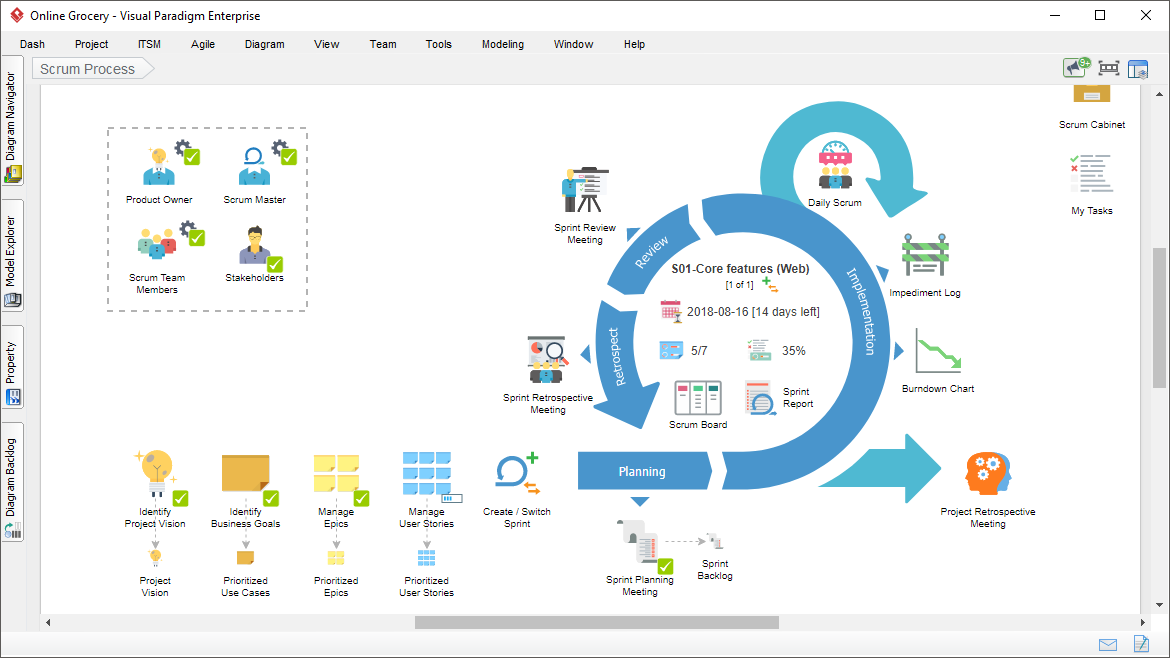
Visual Paradigm’s Scrum Process Canvas enables your team to navigate the entire Scrum process seamlessly in one well-designed canvas. Execute Scrum activities quickly, easily, and smoothly. Engage the whole team fully. Our agile software makes agile projects simple and effective.
6. Team Building
Team building is an absolutely indispensable part of project development. Team cohesion directly affects the overall combat effectiveness of the team. Therefore, building an excellent team is an important mission for every Scrum Master.
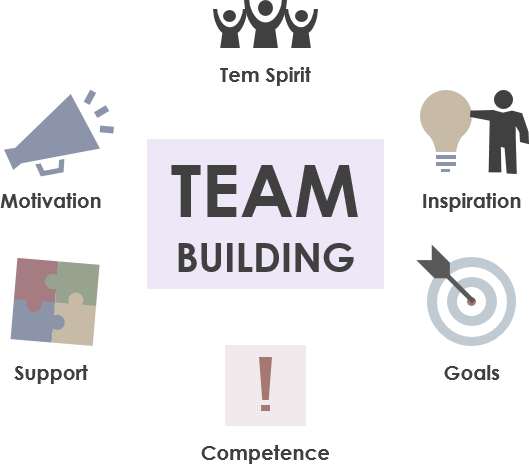
So how do you effectively build a strong team?
- One of the most important characteristics of agile development is team self-organization. The advantage of self-organizing teams is that by empowering the team to think, design, and develop independently without interference, every member feels a sense of achievement, which greatly increases the overall team’s initiative and motivation.
- Create a learning team. One effective method is to hold regular internal knowledge-sharing sessions so everyone can learn new things and grow together.
For example, every Friday at 4 PM, dedicate one hour to team knowledge-sharing sessions. Everyone becomes highly motivated — as long as the topic is interesting, it doesn’t have to be technical; it can even be fun or recreational. The benefit of this approach is that it not only improves technical capabilities but also makes team communication much easier, thereby increasing cohesion and overall team strength. - Finally, one of the most effective ways to improve a team is summed up in one word: “eat.” It’s always a great time to treat the team to good food. Of course this requires budget — but there’s always a way, right?


 English
 Arabic
 Chinese (Simplified)
 Dutch
Dutch French
 German
 Italian
 Japanese
 Korean
 Portuguese
 Russian
 Spanish