The ultimate knowledge management platform for IT professionals — streamline your technical documentation, architecture diagrams, and system documentation with AI-powered
Continue reading
How to Model Constraints in UML? [With Examples]
Introduction to UML Constraints A constraint is an expression that constrains the semantics of a UML element. It must always be true—in
Continue readingComprehensive Guide: UML Aggregation vs Composition & Visual Paradigm Modeling
Introduction to UML Associations In UML (Unified Modeling Language), both aggregation and composition are specialized types of associations that represent “whole-part” relationships. While they share conceptual similarities,
Continue readingComprehensive Guide to UML Extension Mechanisms: Stereotypes, Tagged Values, and Constraints
Note: The source material provided did not contain embedded images. This guide is formatted to accommodate visual elements where they
Continue reading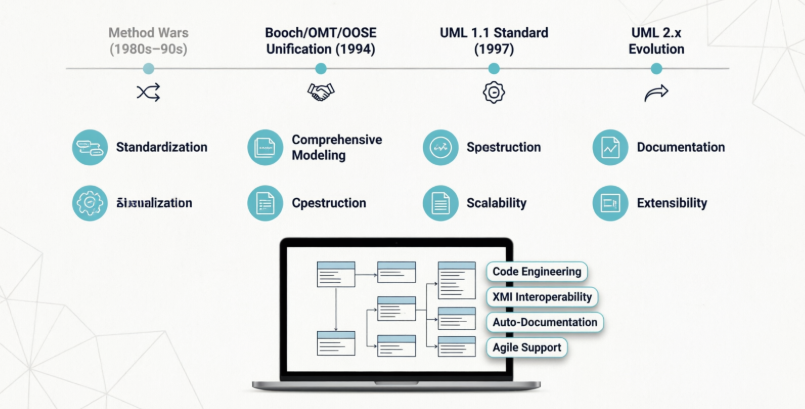
Comprehensive Guide to UML Modeling with Visual Paradigm
1. Introduction: The Context of UML To effectively use modern modeling tools, one must understand the foundation upon which they
Continue reading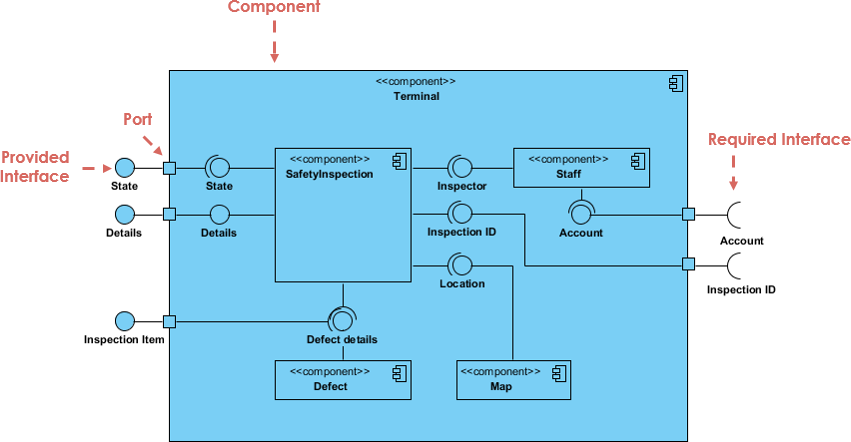
🎯 Absolute Beginner’s Guide to AI Assisted UML Component Diagrams
Sharing Real User Experiences with Practical Feature Lists “Component diagrams helped me finally visualize how my microservices actually talk to
Continue readingThe Complete Guide to UML & AI-Powered Modeling
Unified Modeling Language (UML) is a standardized modeling language consisting of an integrated set of diagrams, developed to help system and
Continue reading📘 Comprehensive Guide to UML Composite Structure Diagrams with AI
With AI-Powered Generation Features & Best Practices 🎯 Introduction Composite Structure Diagram is one of the new artifacts added to
Continue readingThe Complete Guide to the Business Motivation Model (BMM)
Introduction If an enterprise prescribes a certain approach for its business activity, it ought to be able to say why
Continue reading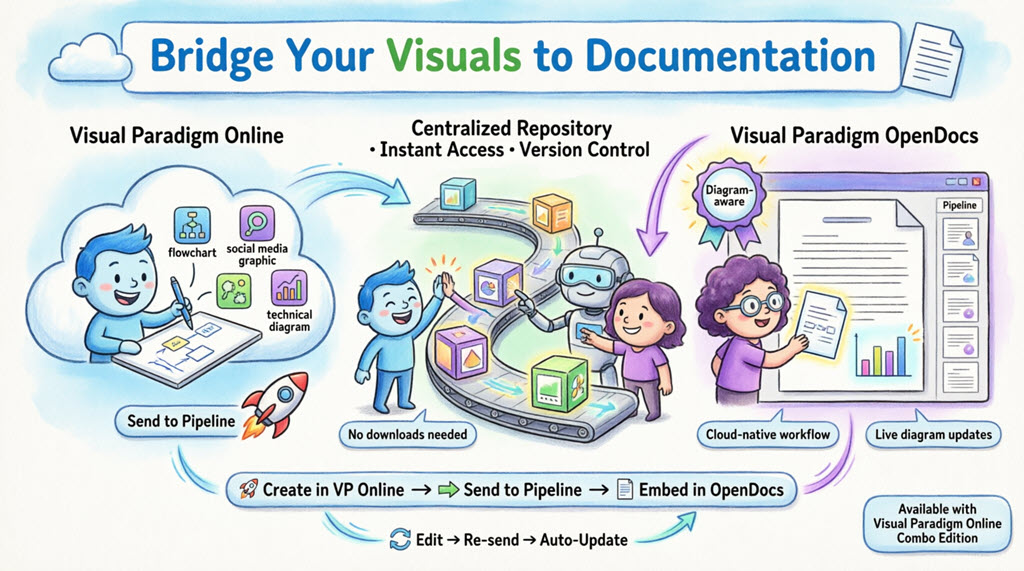
🚀 My Journey to Seamless Documentation: Sending Visual Paradigm Creations Directly to OpenDocs
“What if my diagrams could live inside my documentation—not as static screenshots, but as living, updatable assets?” That question drove my exploration
Continue reading
 English
 Arabic
 Chinese (Simplified)
 Dutch
 French
 German
 Italian
 Japanese
 Korean
 Portuguese
 Russian
 Spanish