L’intégration des employés est l’un des processus les plus critiques transversaux dans les organisations modernes. Un programme d’intégration réussi accélère
Continue reading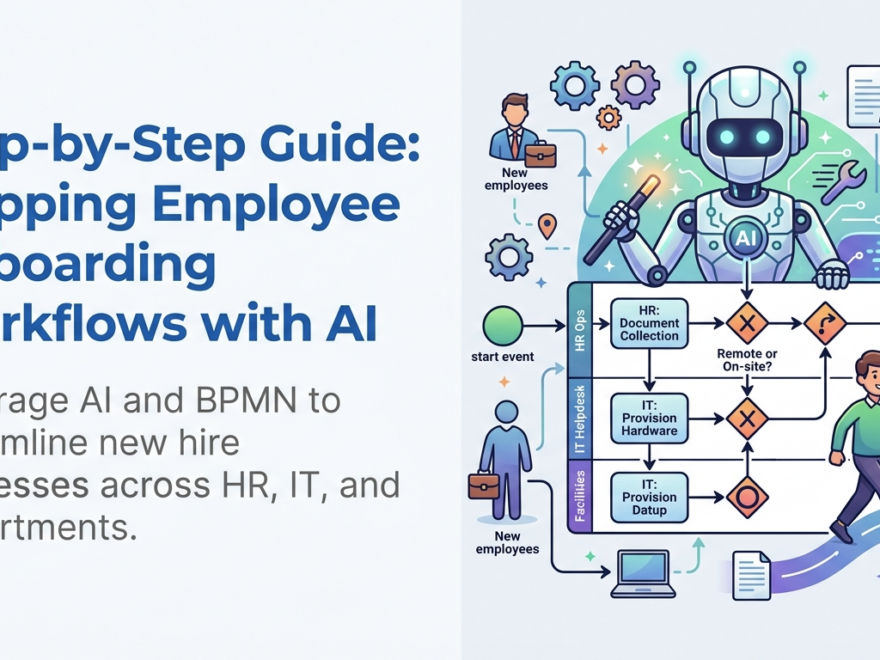
EA, Dev Ops, Scrum, Agile and More
L’intégration des employés est l’un des processus les plus critiques transversaux dans les organisations modernes. Un programme d’intégration réussi accélère
Continue reading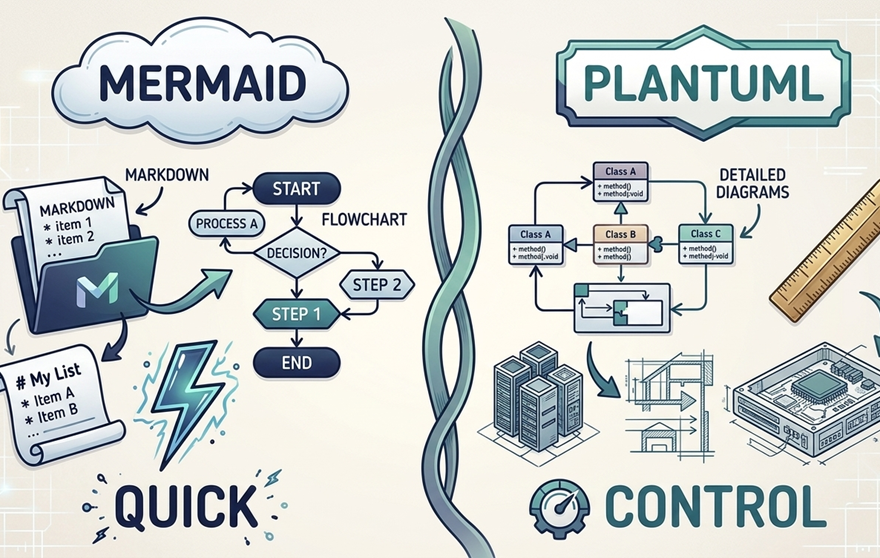
Vous peinez à choisir l’outil de diagramme en code adapté pour votre équipe d’ingénieurs ? Nous analysons la syntaxe, les
Continue reading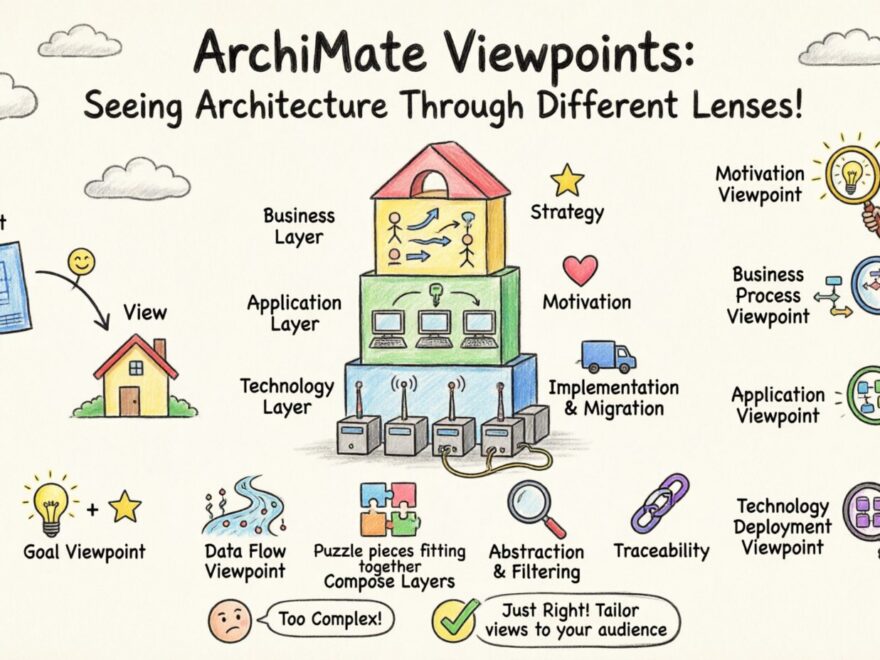
L’architecture d’entreprise est une discipline qui exige précision, clarté et communication efficace. En affrontant des systèmes complexes, le volume considérable
Continue reading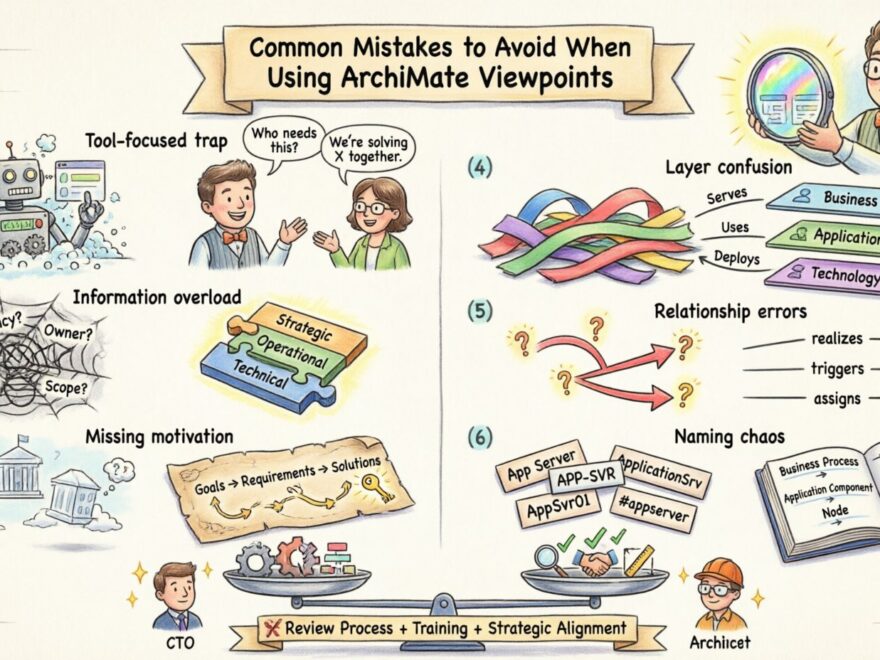
La modélisation de l’architecture d’entreprise exige une précision, une clarté et une compréhension approfondie des besoins des parties prenantes. Le
Continue reading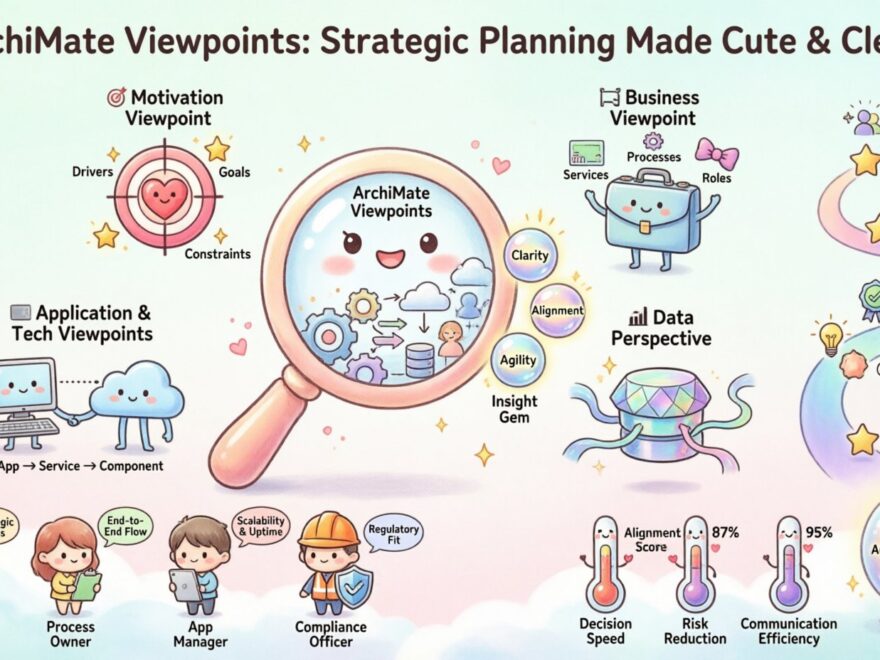
La planification d’entreprise est une entreprise complexe qui exige clarté, alignement et communication précise. Lorsque les dirigeants tentent de traduire
Continue reading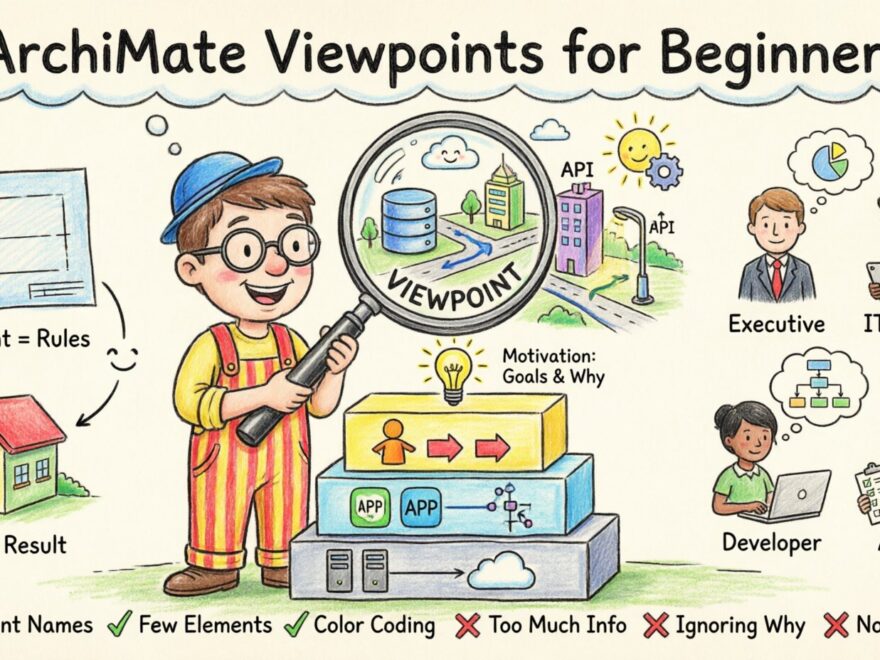
L’architecture d’entreprise peut sembler accablante. Les diagrammes sont complexes, la terminologie est dense, et les connexions entre les différentes parties
Continue reading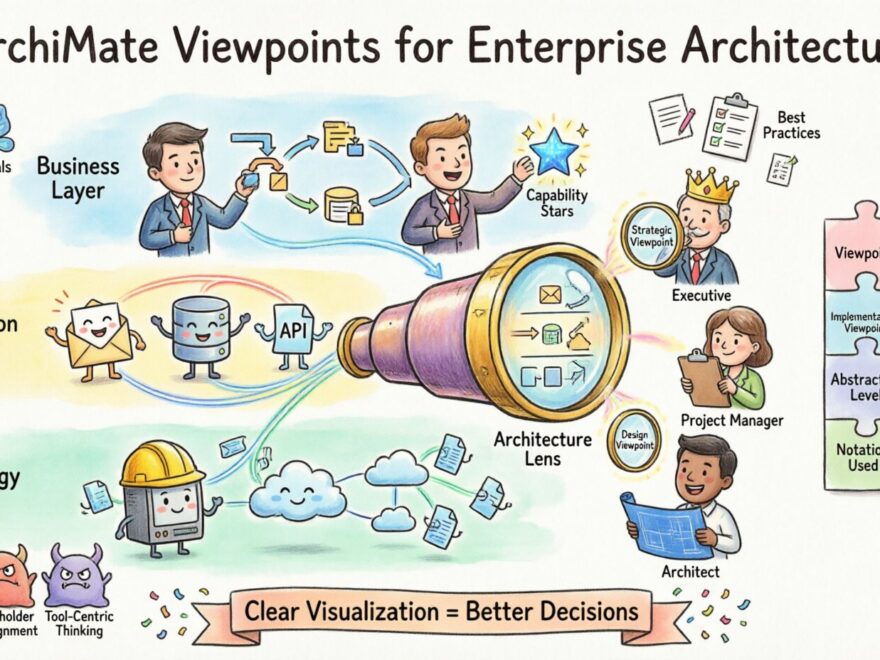
L’architecture d’entreprise est intrinsèquement complexe. Elle consiste à cartographier les stratégies commerciales, les processus opérationnels, les systèmes d’information et l’infrastructure
Continue reading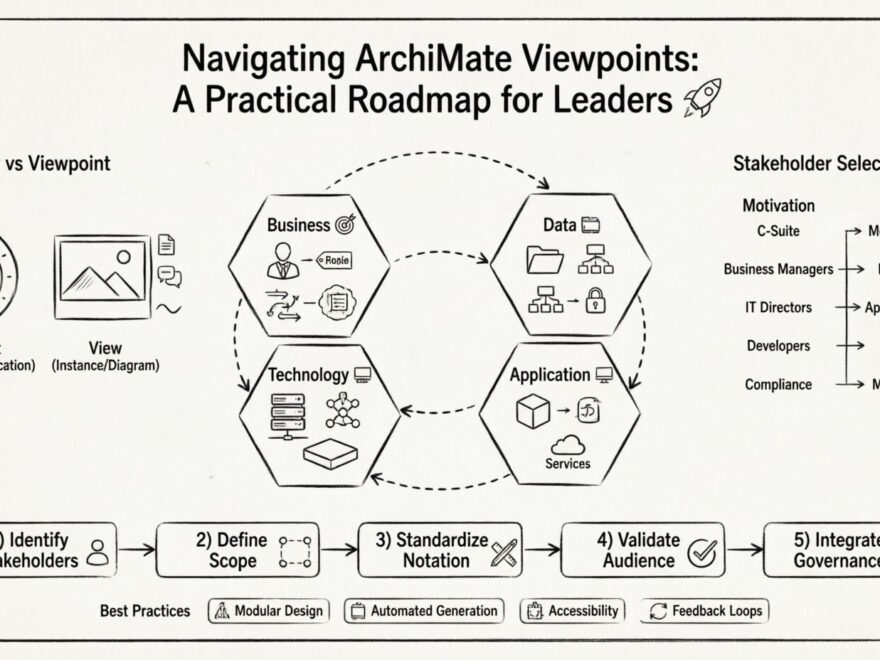
Dans le paysage complexe de l’architecture d’entreprise, la clarté est souvent la ressource la plus rare. Les dirigeants font face
Continue reading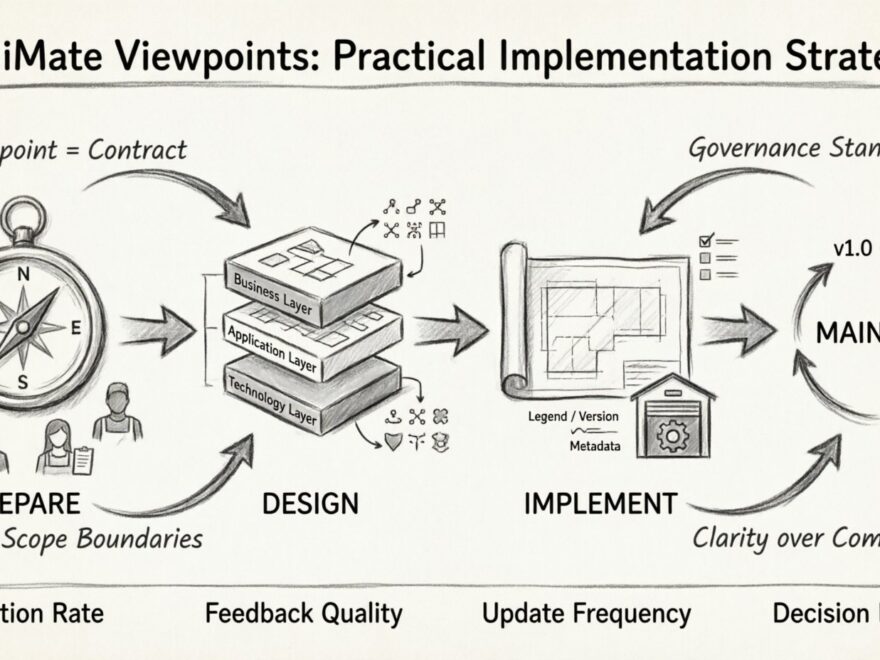
Les cadres d’architecture d’entreprise (EA) fournissent la structure nécessaire aux organisations pour aligner leur stratégie métier avec leur infrastructure informatique.
Continue reading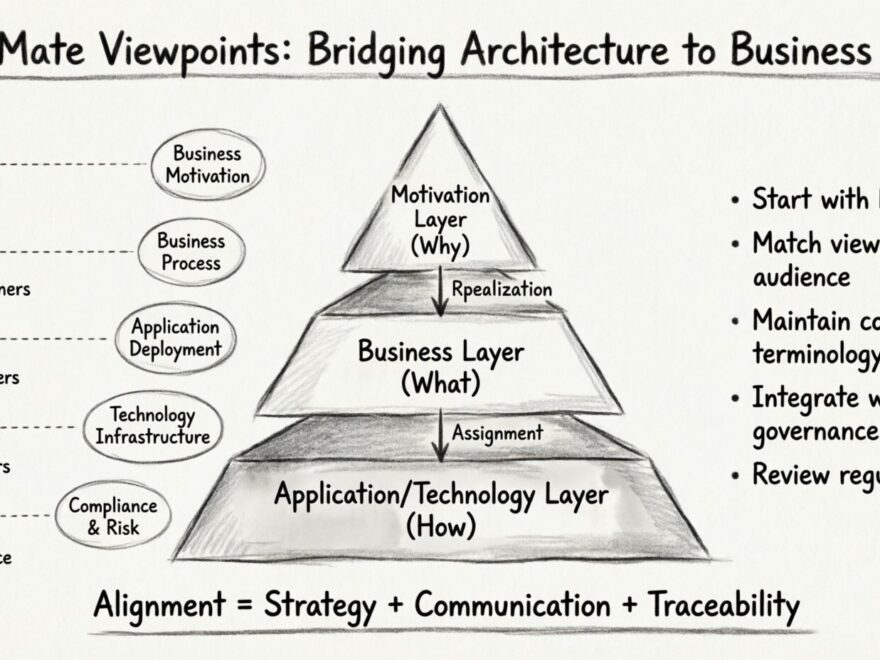
L’architecture d’entreprise peine souvent à surmonter un décalage fondamental : les modèles créés par les architectes ne résonnent pas auprès
Continue reading
 English
 Arabic
 Chinese (Simplified)
 Dutch
Dutch French
 German
 Italian
 Japanese
 Korean
 Portuguese
 Russian
 Spanish