Принятие на работу сотрудников — один из самых важных межотделовских процессов в современных организациях. Успешная программа адаптации ускоряет производительность новых
Continue reading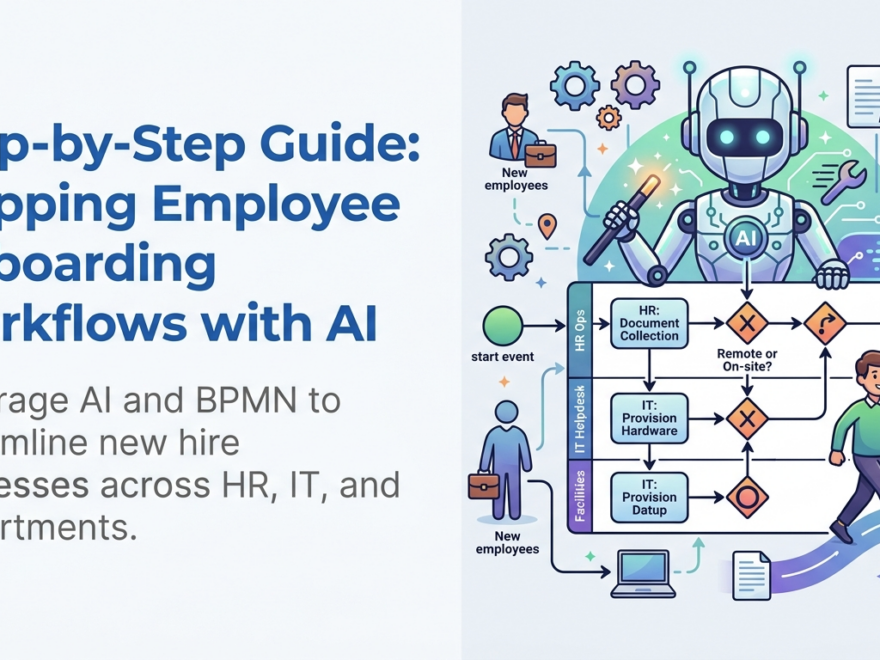
EA, Dev Ops, Scrum, Agile and More
Принятие на работу сотрудников — один из самых важных межотделовских процессов в современных организациях. Успешная программа адаптации ускоряет производительность новых
Continue reading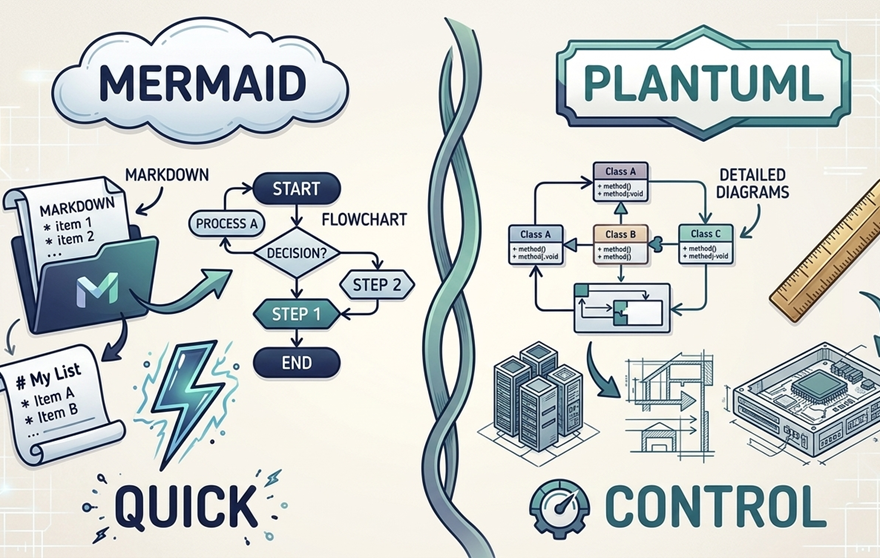
Сложно выбрать подходящий инструмент для создания диаграмм на основе кода для вашей инженерной команды? Мы разбираем синтаксис, сильные стороны и
Continue reading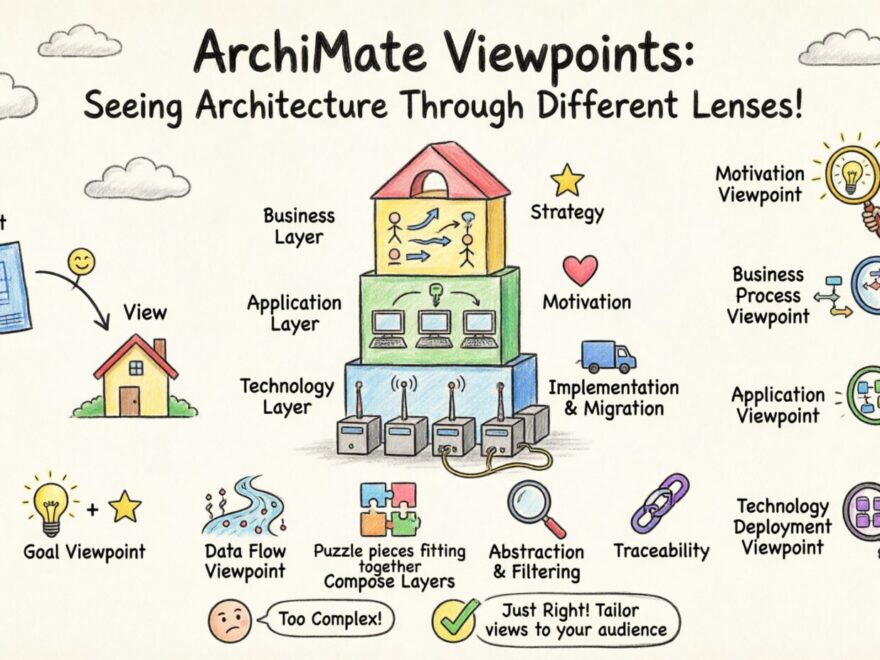
Архитектура предприятия — это дисциплина, требующая точности, ясности и эффективной коммуникации. При работе со сложными системами огромный объем информации может
Continue reading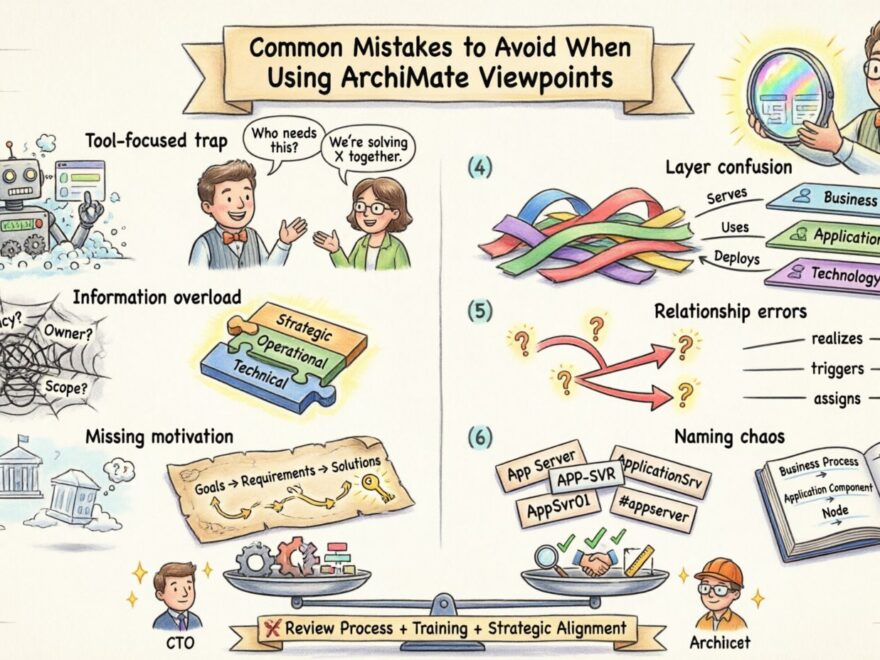
Моделирование корпоративной архитектуры требует точности, ясности и глубокого понимания потребностей заинтересованных сторон. Язык моделирования ArchiMate служит стандартом для описания, анализа
Continue reading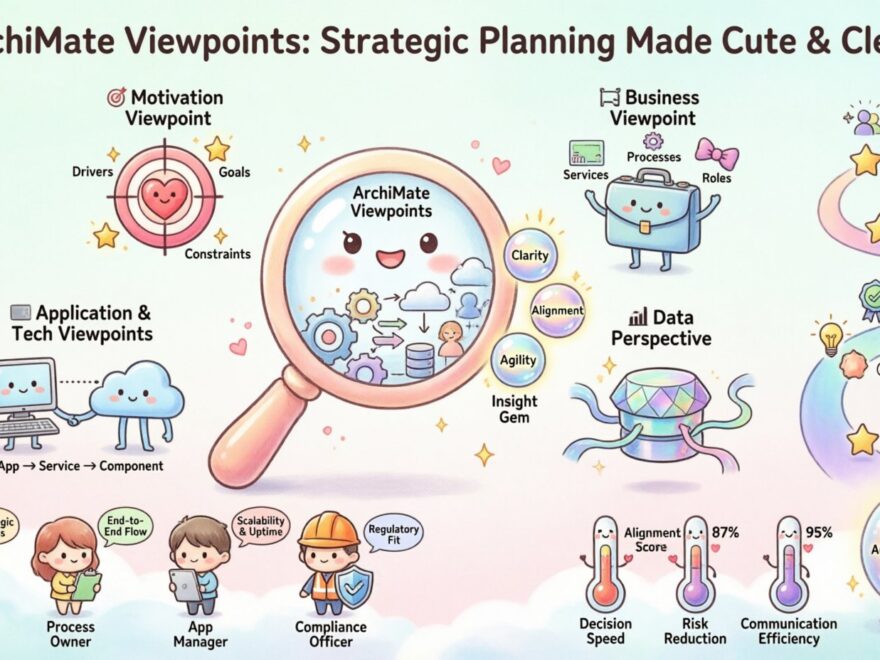
Планирование предприятия — это сложное предприятие, требующее ясности, согласованности и точной коммуникации. Когда руководители пытаются перевести высокий уровень видения в
Continue reading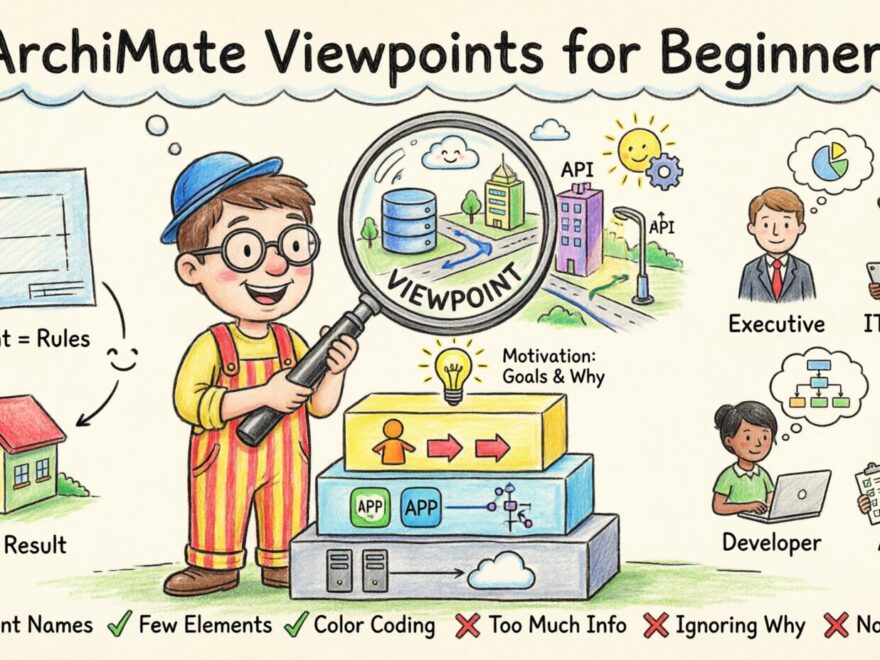
Архитектура предприятия может показаться ошеломляющей. Диаграммы сложны, терминология плотная, а связи между различными частями организации сложны. Чтобы разобраться в этой
Continue reading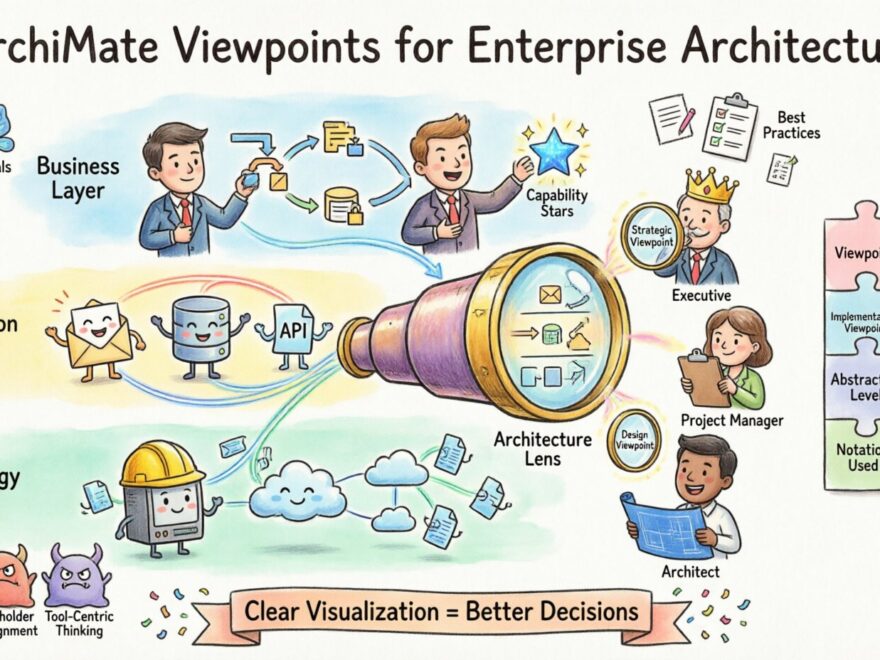
Архитектура предприятия по своей сути сложна. Она включает в себя картографирование бизнес-стратегий, операционных процессов, информационных систем и технологической инфраструктуры в
Continue reading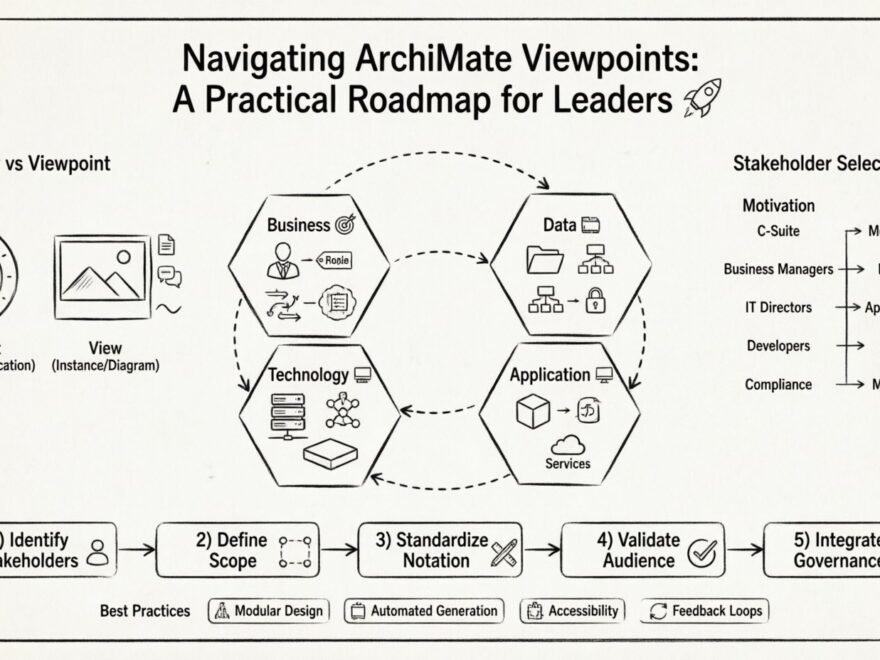
В сложной среде корпоративной архитектуры ясность часто является самым дефицитным ресурсом. Руководители сталкиваются с постоянным вызовом: как передать сложные структурные
Continue reading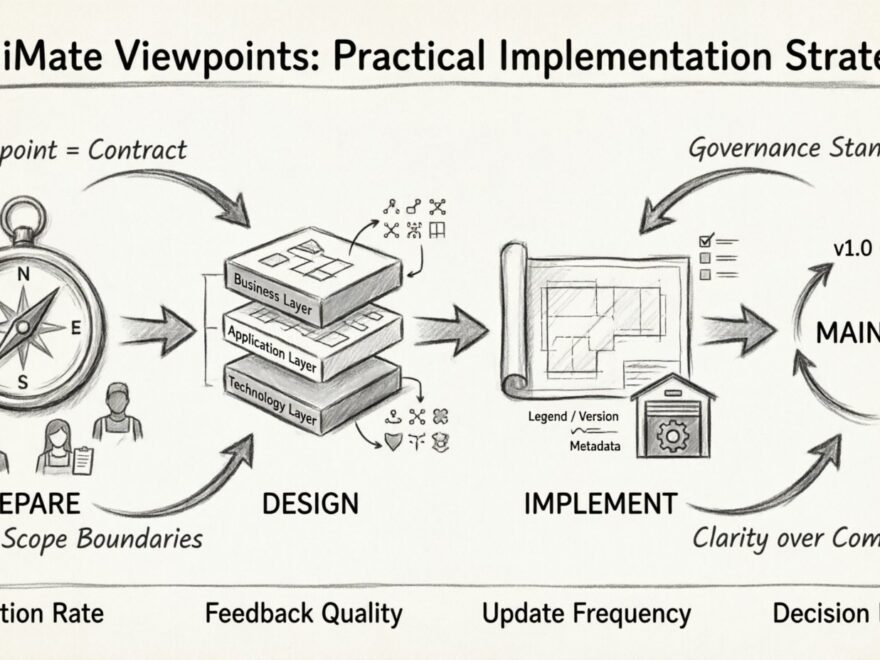
Рамки архитектуры предприятия (EA) обеспечивают необходимую структуру для того, чтобы организации могли выровнять свою бизнес-стратегию с ИТ-инфраструктурой. Среди различных доступных
Continue reading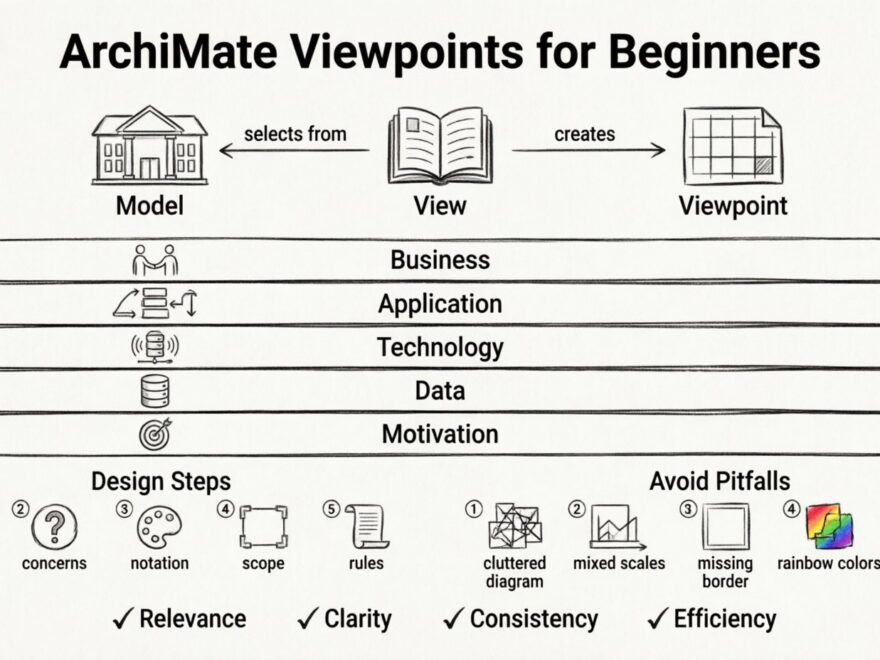
Предприятий архитектура часто воспринимается как сложная сеть диаграмм, моделей и спецификаций. Хотя цель — создать четкое представление об организации, на
Continue reading
 English
 Arabic
 Chinese (Simplified)
 Dutch
Dutch French
 German
 Italian
 Japanese
 Korean
 Portuguese
 Russian
 Spanish