В быстро меняющемся мире разработки программного обеспечения гибкость — это не просто преимущество, а необходимость. Представьте Canvas-процесс Scrum от Visual Paradigm,
Continue reading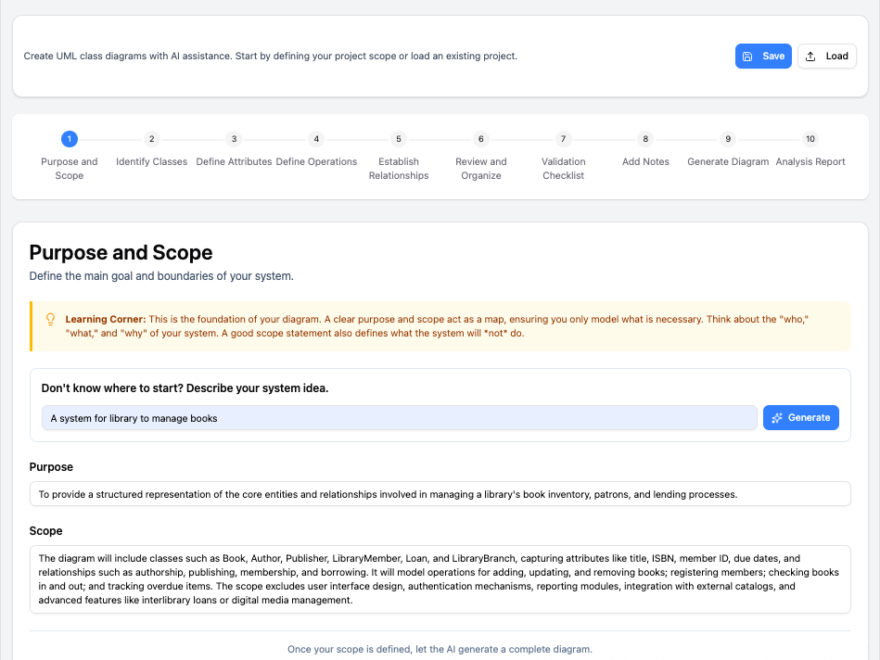
Полное руководство по созданию диаграмм классов с помощью Visual Paradigm AI
Примечание: Несмотря на то, что инструменты, основанные на искусственном интеллекте, такие как генератор диаграмм классов с поддержкой ИИ от Visual Paradigm,
Continue reading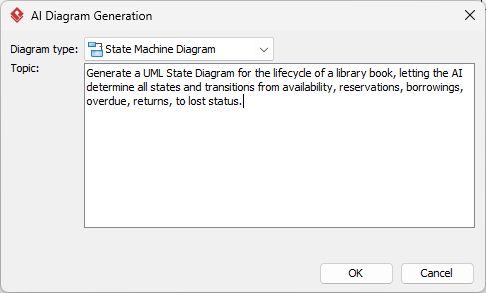
Полное руководство по диаграммам состояний UML с помощью Visual Paradigm и ИИ
Диаграммы состояний UML (унифицированный язык моделирования) являются важными инструментами для моделирования динамического поведения отдельных объектов в системе. Они обеспечивают четкое
Continue readingПолное руководство по экосистеме искусственного интеллекта Visual Paradigm: повышение эффективности современного программного обеспечения и моделирования систем с помощью генеративного ИИ
Visual Экосистема искусственного интеллекта Visual Paradigmпредставляет собой смену парадигмы в способах создания, совершенствования и документирования сложных систем архитекторами программного обеспечения, бизнес-аналитиками
Continue readingПолное руководство по моделированию случаев использования с экосистемой ИИ Visual Paradigm
Экосистема ИИ Visual Paradigm революционизирует моделирование случаев использования, превращая его из трудоемкой ручной задачи по созданию чертежей в эффективный, автоматизированный
Continue readingПолное руководство по моделированию случаев использования с экосистемой ИИ Visual Paradigm
Экосистема ИИ Visual Paradigmреволюционизирует моделирование случаев использования, превращая его из трудоемкой ручной задачи по черчению в эффективный, автоматизированный процесс, управляемый
Continue reading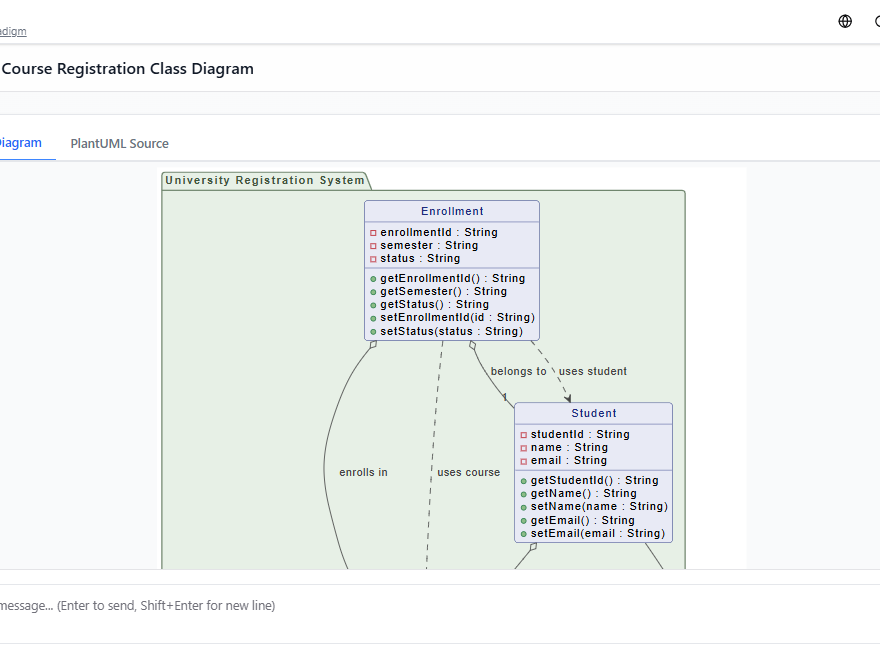
Как использовать ИИ для создания и улучшения диаграмм классов | Чат-бот Visual Paradigm AI
Диаграммы классов являются основой объектно-ориентированного проектирования, предоставляя четкое представление о структуре системы через классы, атрибуты, методы и отношения. Традиционно для
Continue reading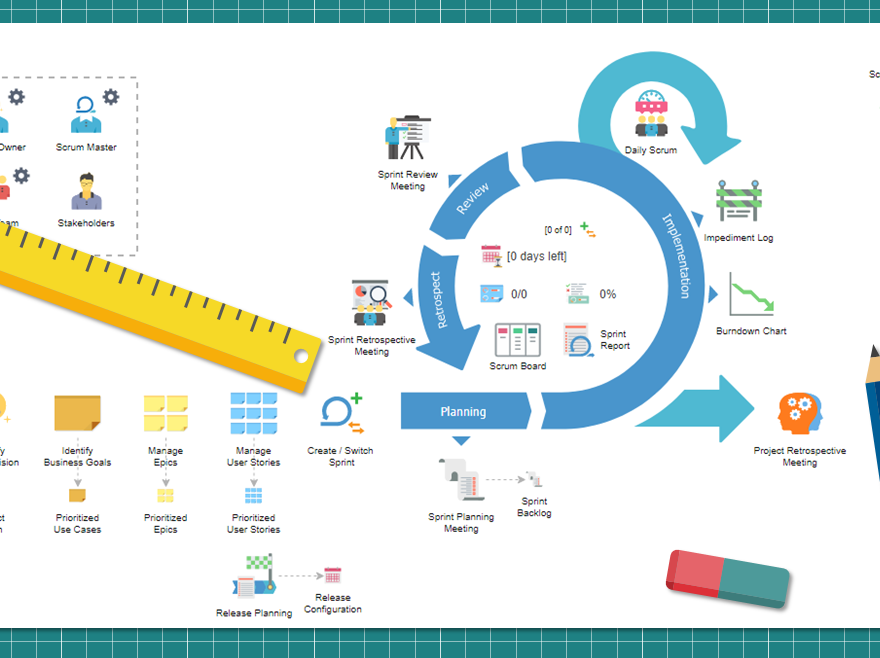
Полное руководство по Canvas-процессу Scrum от Visual Paradigm
Visual Paradigm’s Canvas-процесс Scrum — это мощная, работающая в браузере, одностраничная Agile-платформа, предназначенная для визуализации, управления и автоматизации всего цикла Scrum. Она
Continue reading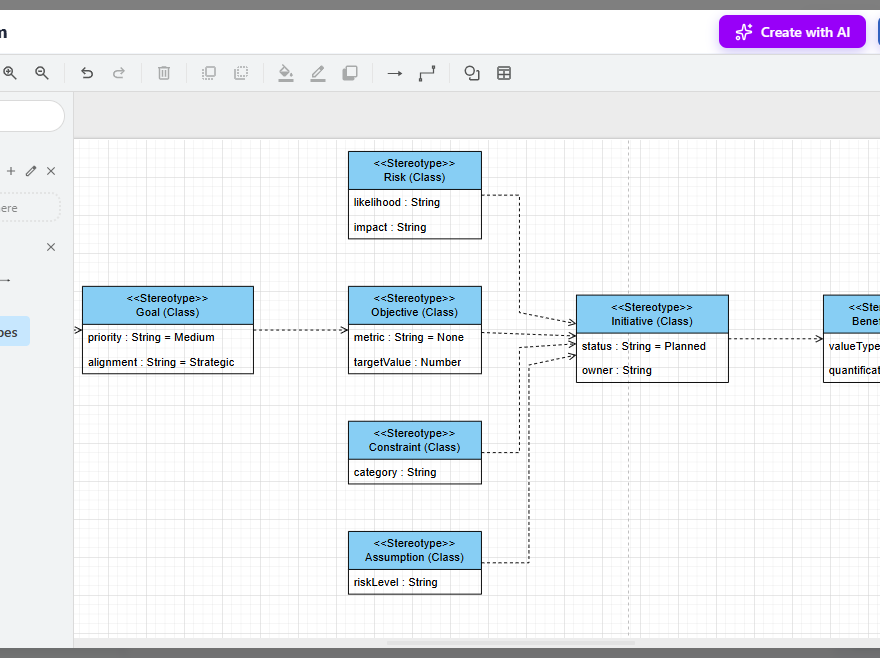
Революция в моделировании специализированных областей: генерация диаграмм профилей UML с использованием ИИ в OpenDocs
В крупном прорыве в области визуального моделирования, управляемого ИИ, Visual Paradigm объявила о революционном обновлении своей OpenDocs платформы: полная поддержка диаграмм профилей UML, включая инновационную функцию
Continue reading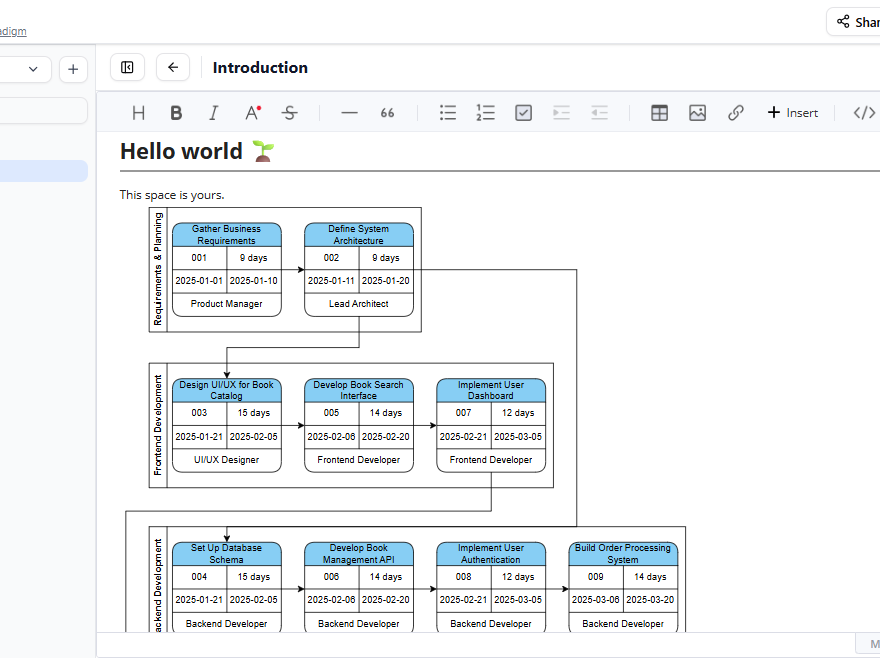
Полное подробное руководство по генератору диаграмм PERT с искусственным интеллектом от Visual Paradigm
Что такое диаграмма PERT? A Диаграмма PERT (Техника оценки и обзора программ) — это инструмент управления проектами, который визуализирует последовательность
Continue reading
 English
 Arabic
 Chinese (Simplified)
 Dutch
Dutch French
 German
 Italian
 Japanese
 Korean
 Portuguese
 Russian
 Spanish