🌟 簡介 在當今快速變化的敏捷環境中,S
Continue reading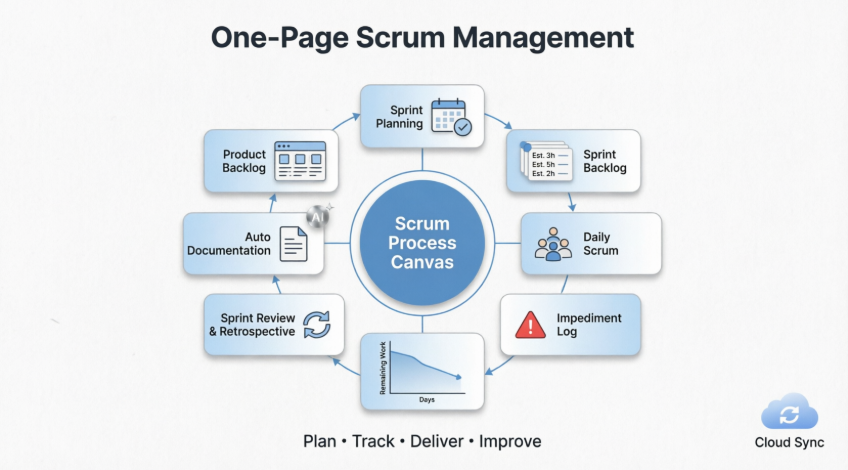
ArchiMetric Traditional Chinese
EA, Dev Ops, Scrum, Agile and More
🌟 簡介 在當今快速變化的敏捷環境中,S
Continue reading執行摘要 Visual Paradigm
Continue reading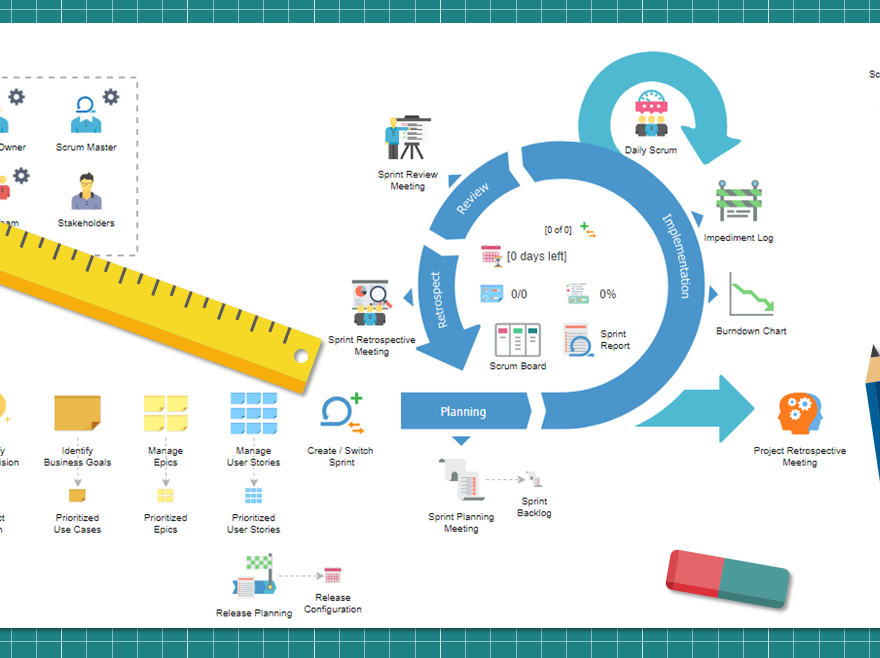
Visual Paradigm的 Scr
Continue reading在今日快速變化的軟體開發環境中,早期且持
Continue reading敏捷的工作原理是将项目分解为用户功能的一小部分,对它们进行优先级排序,然后以 2-4 周的周期持续交付它们,称为迭代或冲刺。团队以短周期运作,旨在持续改进,只开发用户想要的东西。工作目标由团队在每个周期开始之前定义。如果客户对该功能有任何疑问,该团队会直接与客户沟通。客户的优先级由产品负责人分析并反馈给团队,让他们继续处理最高优先级的项目。团队估计在一个迭代中工作需要多少时间,以及如何完成工作。
Continue reading本文提供了 Scrum(敏捷类型之一)的概述。这是 Scrum 基础知识,提供了有助于您理解 Scrum 流程的基本知识。
Continue reading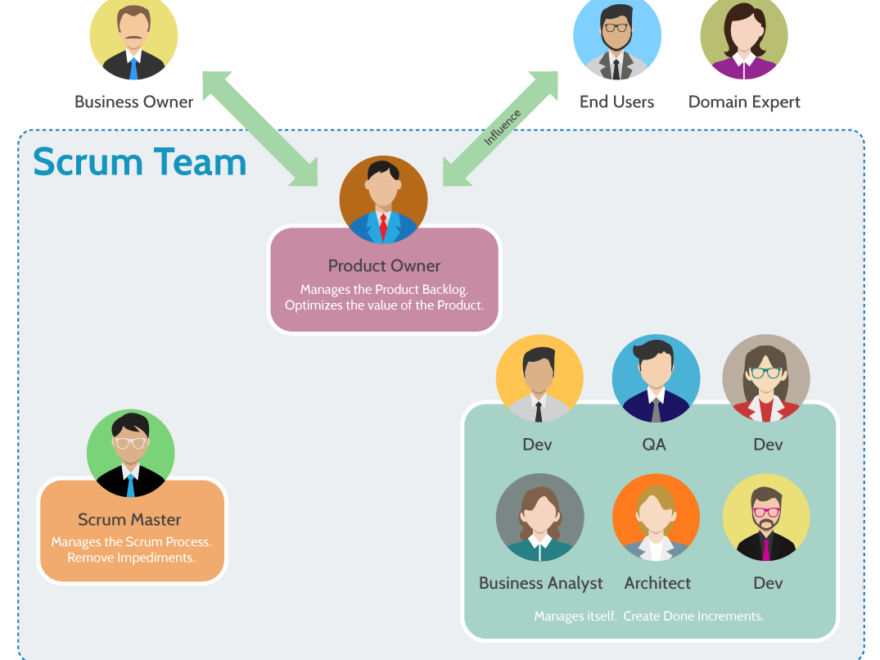
敏捷开发的原则之一是让团队成员定期讨论如何提高效率,然后相应地调整他们的行为。Scrum整合了一个正式的过程来帮助团队做到这一点。每天的会议使团队能够反思在接下来的24小时内要做的工作,并根据预期或遇到的障碍改变他们的方法。敏捷的另一个原则是认识到最好的工作来自于自我指导的团队。Scrum master在这方面发挥了作用。它们给予团队完成工作所需的东西,以及设定自己路线的自由。然后,他们充当服务型领导,指导团队解决问题、实现目标和解决冲突。
Continue reading我们如何才能确保用户故事正确完成并符合客户的需求呢?这就是验收标准发挥作用的地方。验收标准是一份正式的要求列表,可确保完成所有用户故事并考虑所有场景。简而言之,验收标准指定了满足用户故事的条件。简洁的书面标准可帮助开发团队避免对客户需求的含糊不清并防止误解。
Continue reading敏捷 使用用户故事来表达产品或系统应该解决的问题。Agile INVEST 指南是 Bill Wake 汇总的一组建议,用于测试可以帮助您进行敏捷项目管理的优质用户故事(或更一般的产品待办列表项) 。
Continue reading本文让我们仔细看看敏捷宣言背后的 4 个敏捷价值声明和 12 条原则。
Continue reading
 English
 Arabic
 Chinese (Simplified)
 Dutch
Dutch French
 German
 Italian
 Japanese
 Korean
 Portuguese
 Russian
 Spanish